Month: August 2022

Construction Defects Evaluation

Basic Fact Pattern
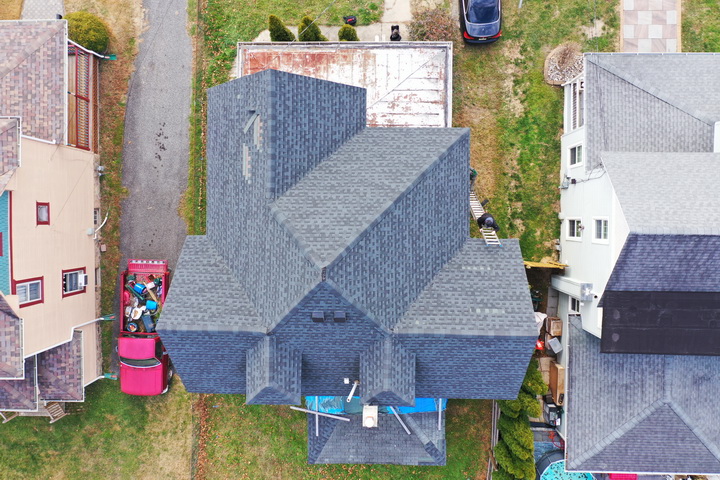
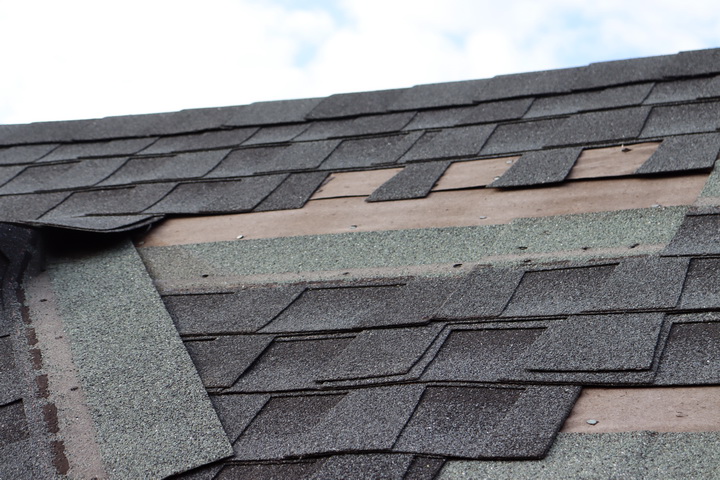
  • Defendant had installed an asphalt shingle roof and performed pest remediation services on the dwelling
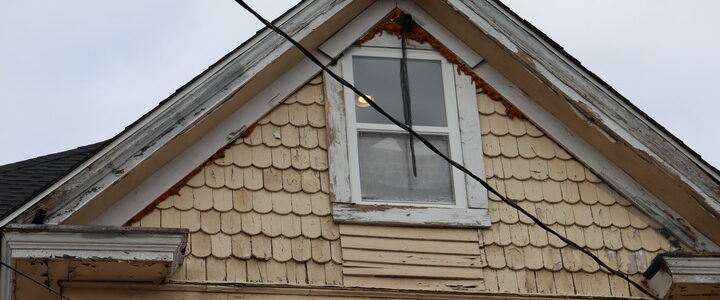
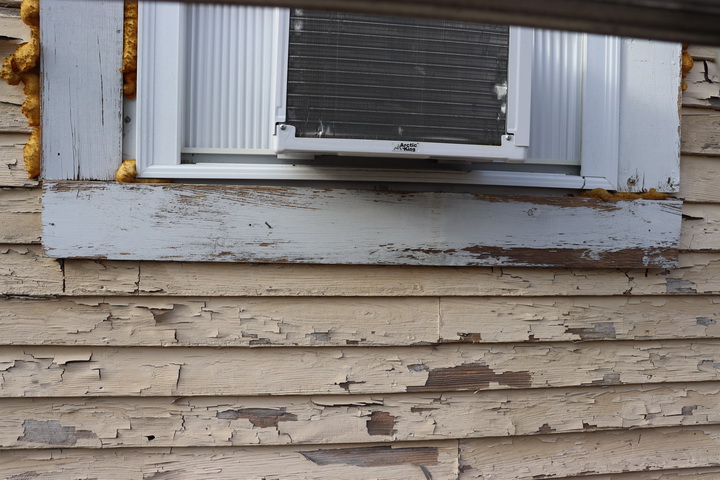
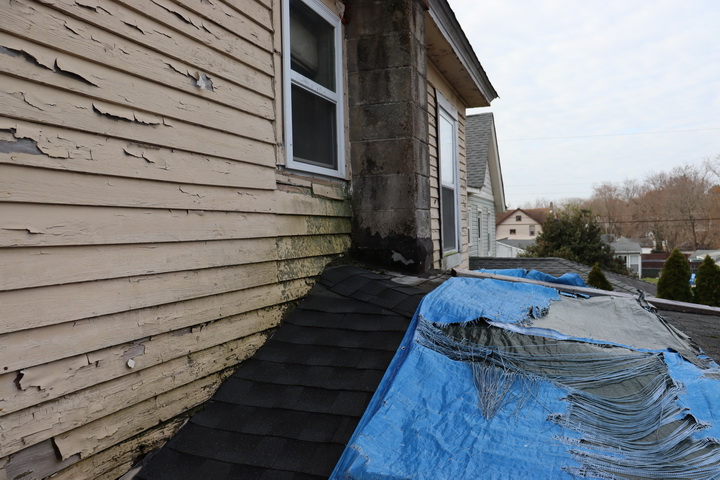
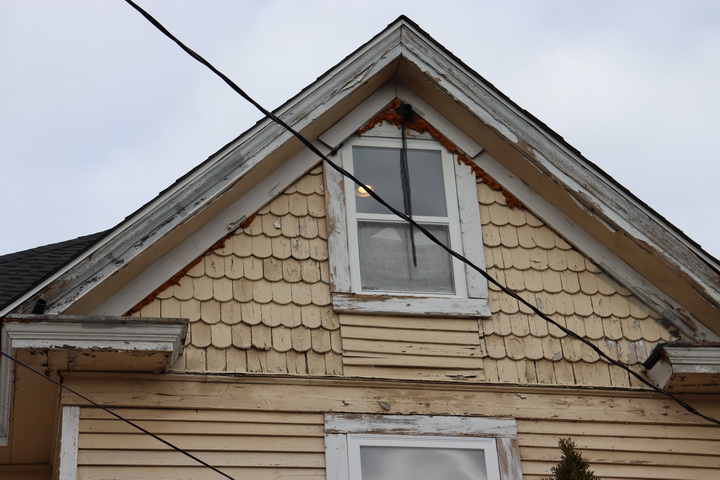
  • The residence had severe damage to its exterior envelope
  • Alleged damages to the residence were the result of poor workmanship of the defendant
Investigative Steps Taken
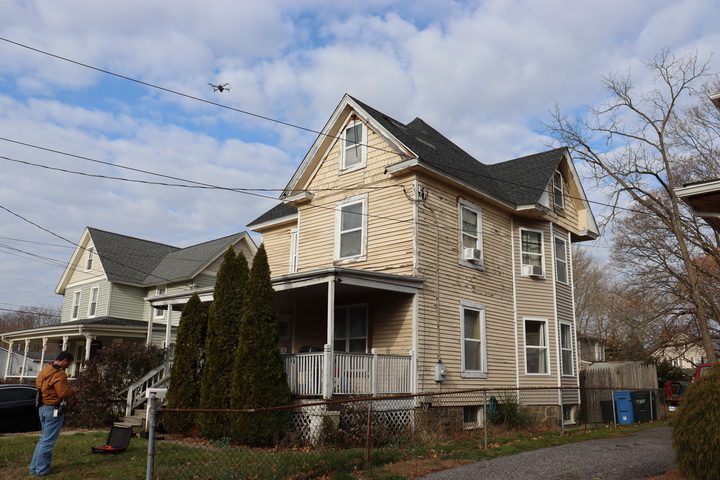
  • Dwelling was visually inspected
  • Unmanned Aerial Vehicle employed to document areas unsafe for human beings
  • Comprehensive study of building history was performed
  • Detailed code and product analysis was performed
  • In-depth analysis of opposing repair estimate made
  •  
Determinations Made
  • The roofing material was not installed properly and would require replacement
  • The extensive damages to the exterior envelope were historic in nature and not the result of defendant’s faulty workmanship
  • Litigation support services were also provided throughout the mediation process
  •  

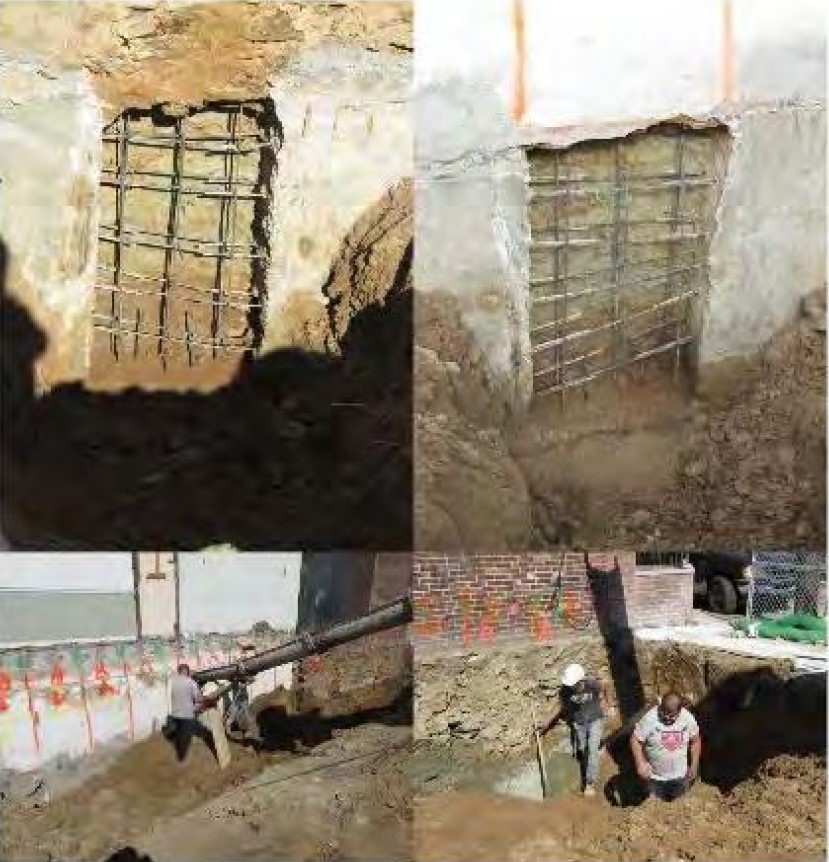
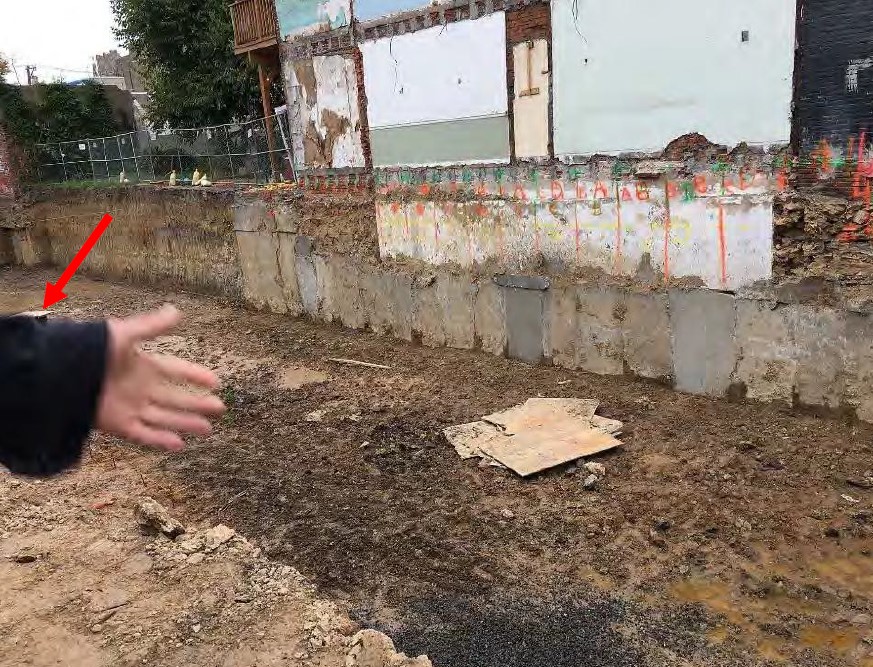
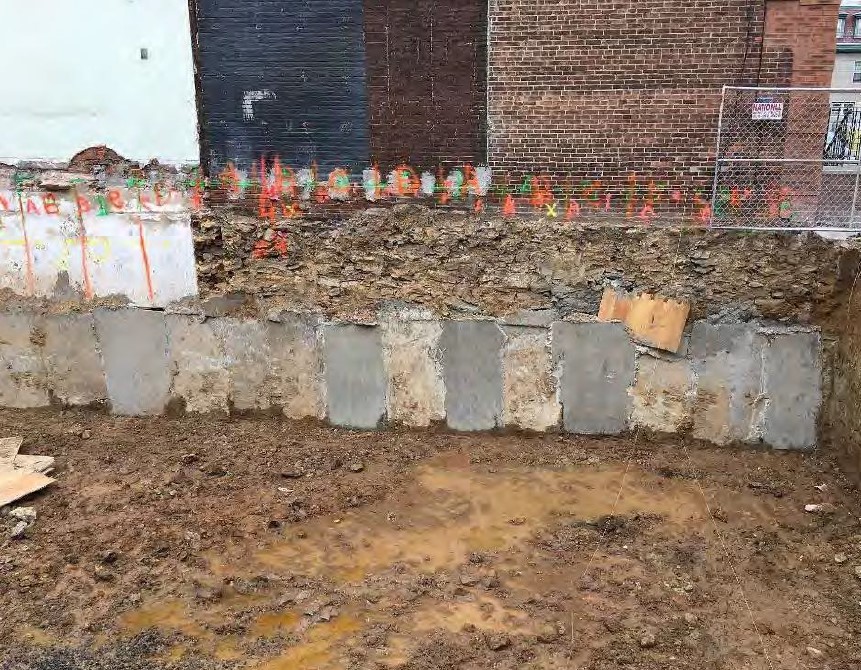
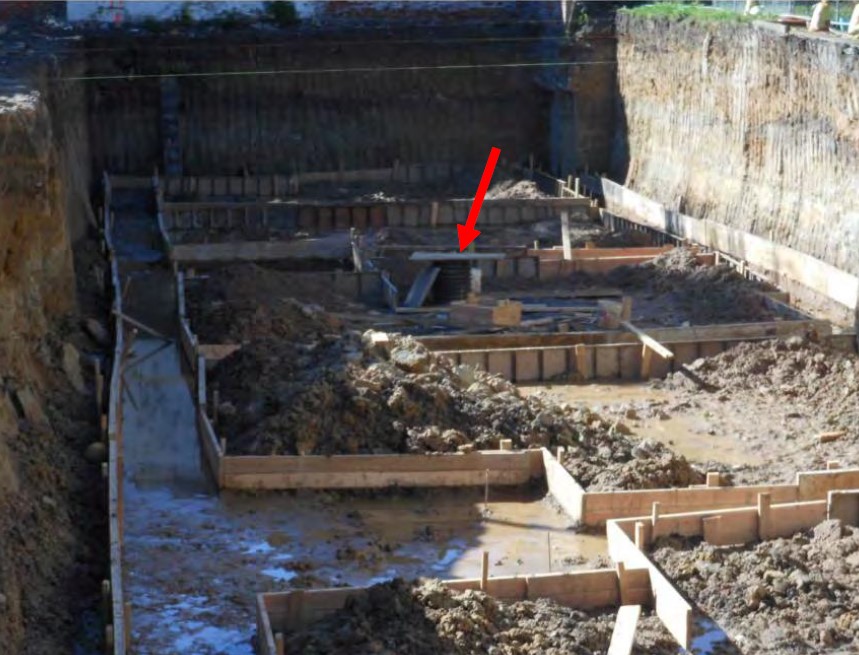
Construction Underpinning Failure Damage Evaluation

Basic Fact Pattern
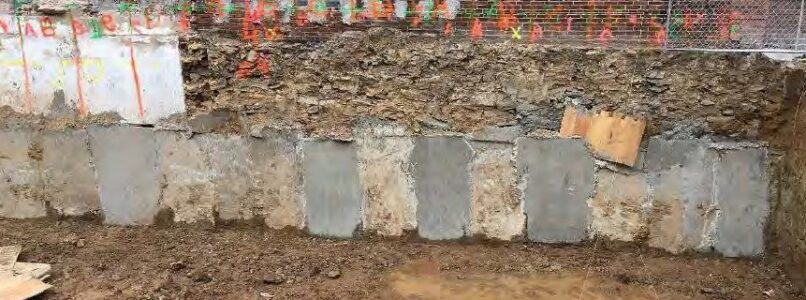
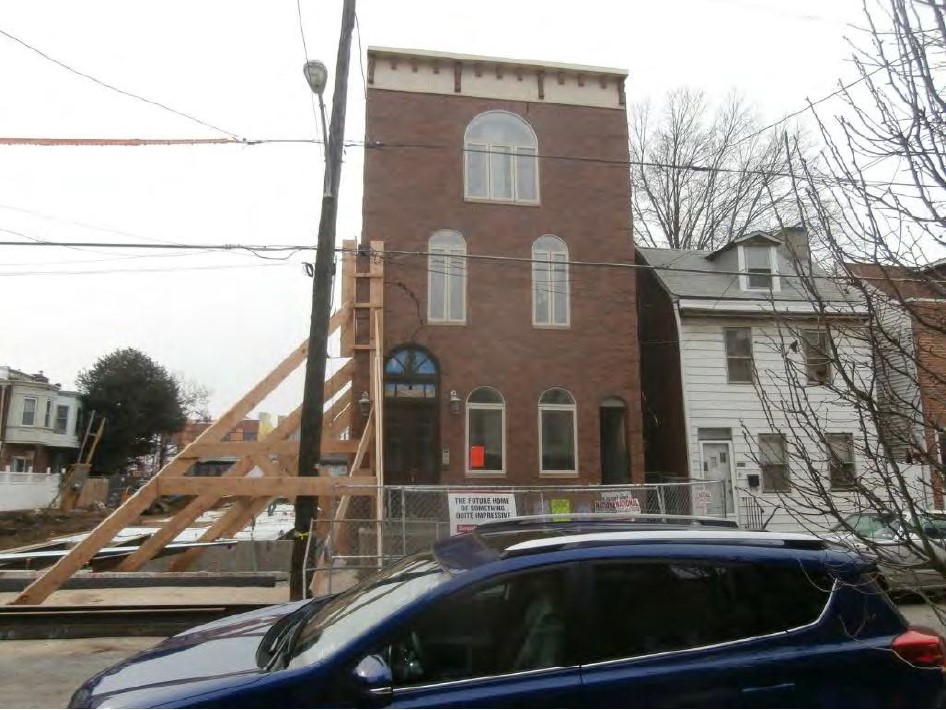
  • Catastrophic damage to a building adjacent to a demolition and new construction site.
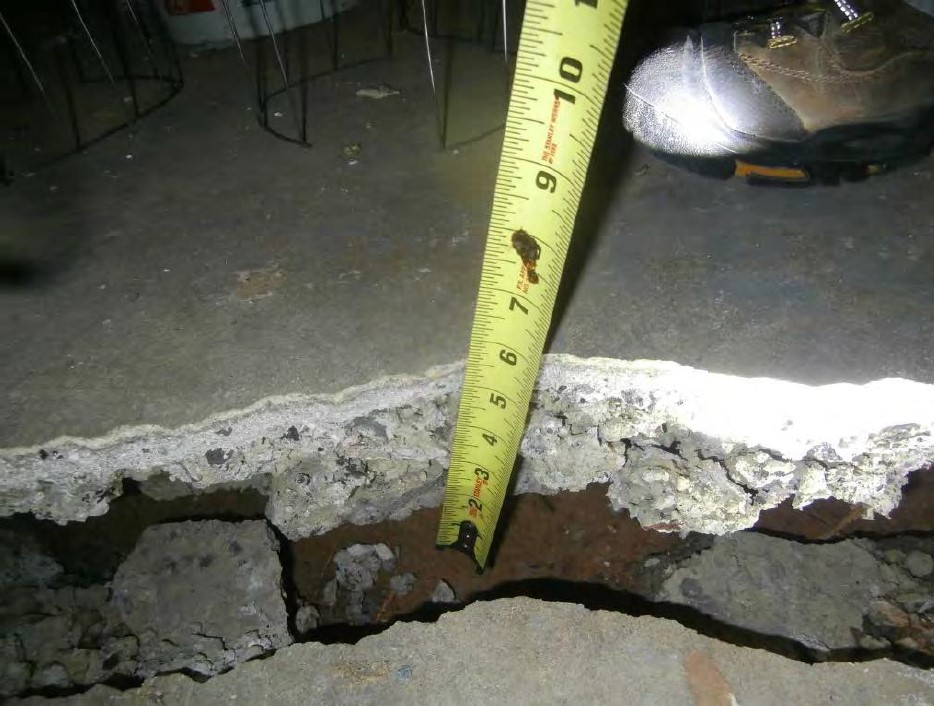
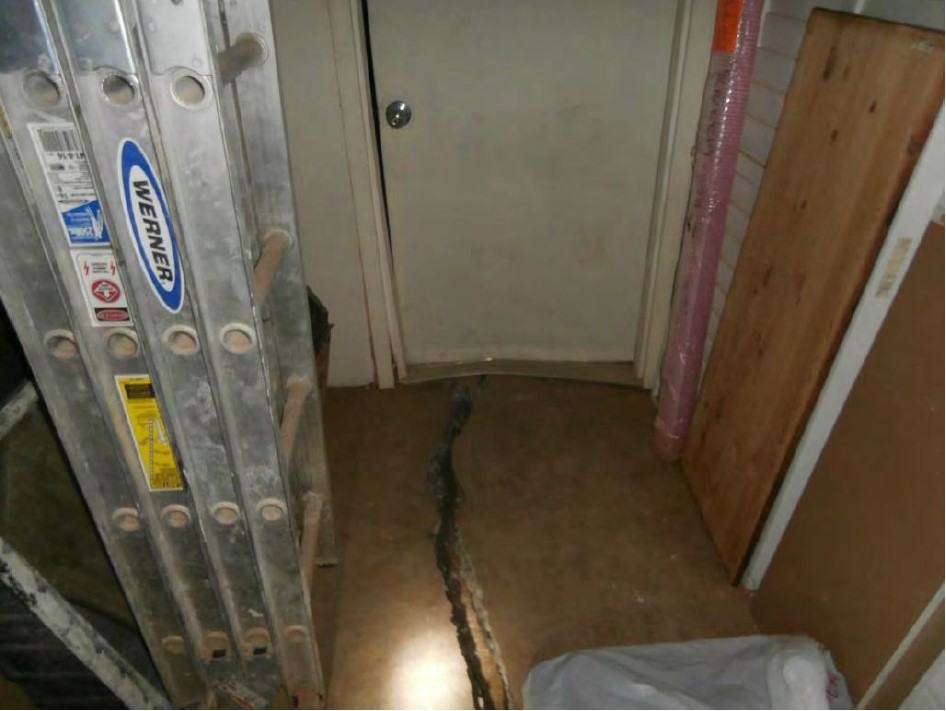
  • The adjacent building suffered a severe underpinning failure after the demo was completed and the construction was in progress.
  • The local municipality demolished the adjacent building after condemning it.
  • The insured underpinning contractor had allegedly performed improper excavation and underpinning, including a lack of dewatering, leading to the underpinning failure.
  • There were numerous conflicting elements of testimony and documentation amongst the multiple other involved parties warranting further investigation.
Investigative Steps Taken
  • Severely damaged building was inspected, along with the adjacent construction site.
  • Extensive testimony and documentation was performed, in order to produce a timeline of verifiable facts.
  • Drawings and geotechnical information were analyzed for appropriateness of the underpinning design.
  • On-site photos and daily construction logs were analyzed to determine the work actually performed in the field and the timing of the same.
  • Extensive comparative analysis was performed to determine the truth of the matter.
Determinations Made
  • The engineer responsible for the design and inspection of the underpinning was practicing engineering outside of his technical competence.
  • Both the structural and geotechnical design of the underpinning were insufficient for its intended purpose.
  • The in-field direction provided by the engineer to the underpinning subcontractor directly led to the catastrophic underpinning failure.
  • The engineer also falsified records submitted to the municipality, resulting in reporting to the local engineering board for disciplinary action.
Involved Experts: 

Premises Liability Slip and Fall Evaluation

Basic Fact Pattern
  • Slip and fall on a recently mopped floor in a fast food restaurant.
  • The floor tile involved was allegedly improperly designed, constructed, inspected, and maintained for such a facility.
  • Specifically, the floor tile lacked adequate slip resistance, when tested wet with a BOT-3000e tribometer.
  • The incident was captured on high resolution video surveillance, along with time both before and after the incident.
  • It was also alleged that the plaintiff had not been adequately warned about the presence of a wet floor.
Investigative Actions Taken
  • The details of the incident were extracted from the deposition testimony and documentation of multiple parties.
  • The video surveillance footage was analyzed for:
    • The timing of the mopping and the subsequent drying of the floor.
    • The biomechanics involved in the fall event, as well as the plaintiff’s actions before and after the incident.
    • The actions of others undertaken at or near the incident location, both before and after the incident.
  • In the field, the position of the wet floor sign was re-created, after which analysis of the sight lines during all of the Plaintiff’s movements prior to the incident were analyzed. 
  • Measurements were also taken in the field, along with observations of the cleaning equipment and procedures.
  • Code and construction information was reviewed for the floor tile at issue.
  • Testing performed by others without our knowledge was reviewed against standards for the same.
  •  
Determinations Made
  • The incident location was mopped eight times less than five minutes prior to the incident, with the “greasy substance” felt by the Plaintiff created by her spilled French fries.
  • There was no scientifically credible evidence that any improper procedures had allowed the floor to remain “greasy” after it had just been mopped.
  • The floor tile complied with the applicable building codes and properly applied standards.
  • The tribometry testing performed by the opposing expert was scientifically invalid, due to a lack of adherence to the standards for the same.
  • The opposing expert had also performed improper analysis of alternative codes and standards which did not apply.
  • The Plaintiff had eight separate sight lines where the Wet Floor sign was unobstructed within her field of view, prior to falling reportedly with no knowledge that the floor was wet.
  • The Plaintiff’s slip event initiated as a result of ill-fitted footwear, combined with an accelerated gait pattern (i.e., hurried walking), resulting in a slip event that was not consistent with the 10 other people shown in the video surveillance footage walking over the same incident location successfully while the floor was still wet.

Construction Defect Evaluation on a Multi-Million Dollar Estate Home

Basic Fact Pattern
  • Multi-million dollar custom residence with alleged construction defects in the varying exterior claddings resulting in systemic moisture intrusion and widespread underlying structural damage.
  • Alleged violation of building codes and consumer protection (fraud) statutes.
  • Multiple exterior claddings types and custom doors and windows.
  • Extensive landscaping and post-construction modifications.
  • Full documentation from the builder of the construction process, materials, and methods.
  • Opposing expert cut 15 holes into the building during multi-party destructive testing.
Investigative Actions Taken
  • Available documentation was analyzed in detail with regard to each constructed component.
  • Historic online imagery of the home was used to create a timeline for the post-construction modifications made.
  • The destructive testing program was observed, with a complete interior and exterior inspection completed.
  • Observation was also provided during storm damage repair work performed after the destructive testing had been completed.
  •  
Determinations Made
  • Opposing expert did not properly understand how the construction and post-construction modifications were executed, leading to significant confusion amongst the parties.
  • Construction defects, to the extent they existed, were related to deficiencies in the code requirements and building science understandings of the potential performance of the installed materials within the local climate at the time of construction.
  • Subsequent building science research has proven that these materials cannot physically perform when constructed as they were required to be at the time of construction, leading to specific code changes made since then.
  • Both the moisture intrusion, and the underlying damage, were associated with localized and isolated causal factors, rather than widespread and systemic ones.
  • Re-cladding of the entire residence was not required, and this was already known from testing previously performed, without the need for the excessive destructive testing.

Retail Safety Evaluation of a Watermelon Display

Basic Fact Pattern
  • Trip and fall event in a big box store, involving a watermelon display
  • Multi-million dollar claim following a similar case resulting in a previous $7.5MM verdict against the Defendant one year earlier.
  • Exact fall mechanism was unclear and video surveillance did not capture a good angle of the incident.
  • Same Plaintiff’s attorney as the previous case, but with a different safety expert.
Investigative Actions Taken
  • Deposition testimony and other available documentation was reviewed.
  • Opposing retail safety and biomechanical expert reports were reviewed.
  • Cross examination questions were developed for unqualified opposing safety expert.
  • Research study cited by opposing safety expert was fully reviewed, as well as other research by the same individual, which was not addressed by the opposing expert.
  • Safety policies and procedures were compared to national consensus-based voluntary safety standards.
  • The use of the watermelon display at the time of the incident was compared to the manufacturer’s recommendations for the use of the display, the grocery industry recommendations for the use of the display, and the merchandising use of the same display throughout 15 different retail chains.
  • A key piece of evidence in the previous case was also re-reviewed.
Determinations Made
  • The key piece of evidence in the previous case was falsely presented by the previous expert.
  • The watermelon display, as utilized at the time of the incident, was consistent with industry standards, safety standards, and merchandising in service at competing retail chains.
  • The research cited by the opposing expert did not present the conclusions alleged by the opposing expert report.
  • The alternative merchandising suggested by the opposing expert for this case would have defeated several of the safety features already built into the display, rendering the display less safe, rather than more safe.
Involved Experts: 
  • Benjamin Irwin, P.E., DFE
  • Travis Wells, P.E.

Important Updates to the Florida Building Code’s 25% Rule- August 2022

by Aaron Duba, P.E., and Adam Coon, P.E.

A declaratory statement from the Florida Building Commission and recent changes in legislation (Senate Bill 4 (SB4)) have changed one of the most common discussions in the forensic and roofing industry in Florida.  Given the frequency of hurricanes and resulting catastrophe work in Florida, changes to the rule are of interest to any industry professional who may work in the state.

The “25 percent rule” had been interpreted as, if you were replacing/recovering more than 25% of a roof section (as defined by Florida Building Code (FBC)), the entire roof would require replacement and must be brought up to the current code, regardless of when it was constructed. Refer to the provision below from the Florida Building Code, Existing Building (FEBC):

  • 706.1.1 : Not more than 25 percent of the total roof area or roof section of any existing building or structure shall be repaired, replaced or recovered in any 12-month period unless the entire existing roofing system or roof section is replaced to conform to requirements of this code.

On May 26, 2022, Governor Ron DeSantis signed Senate Bill 4 (SB4). While Senate Bill 4 primarily deals with condominium building inspections and safety, there is a portion of the bill that modifies the 25 percent rule. Section 553.844 of the Florida Statues addresses windstorm loss mitigation and requirements for roof and opening protection. SB4 adds the following verbiage to these statues:

  • (5) Notwithstanding any provision in the Florida Building Code to the contrary, if an existing roofing system or roof section was built, repaired, or replaced in compliance with the requirements of the 2007 Florida Building Code, or any subsequent editions of the Florida Building Code, and 25 percent or more of such roofing system or roof section is being repaired, replaced, or recovered, only the repaired, replaced, or recovered portion is required to be constructed in accordance with the Florida Building Code in effect, as applicable The Florida Building Commission shall adopt this exception by rule and incorporate it in the Florida Building Code. Notwithstanding s. 553.73(4), a local government may not adopt by ordinance an administrative or technical amendment to this exception. …

This states that if the roof in question is in compliance with the requirements of the 2007 Florida Building Code (or newer) it can be repaired no matter the extent of the roof section that is being recovered/replaced and a roof replacement is not required.

Florida Building Codes- Effective Dates. From https://floridabuilding.org/c/default.aspx
Is a roof eligible for this change?

“If an existing roof system or roof section was built, repaired, or replaced in compliance with the requirements of the 2007 Florida Building Code”. The simplest way to determine if the roof meets this requirement is to review the date the permit was issued. The 2007 FBC came into effect March 1, 2009, as noted by the Florida Building Commission in the figure below. One can assume anything permitted after the “original” effective date will be compliant with that code. Therefore, anything permitted after March 1, 2009, was likely built, repaired, or replaced in accordance with the 2007 FBC as indicated by SB4. Refer to the adjacent image for the FBC effective dates courtesy of the Florida Building Commission website. 

Can a roof be permitted earlier than March 1, 2009, and comply with the 2007 FBC?

Yes, but it is highly unlikely, and difficult to check. Building codes are the minimum requirements; therefore, buildings could have been built with more wind resistance if requested. After Hurricane Andrew in 1992 and the 2004 and 2005 hurricane seasons (Charley, Frances, Ivan, Jeanne, Katrina, Rita, Wilma, etc.), the Florida Building Commission continued to develop structural and roofing standards that would further increase building resistance to hurricane force winds. Throughout the years following these hurricanes, the FBC changed, among other things, the requirements for attaching a roof deck, a secondary water barrier, and the method of attachment for hip and ridge cap tiles. The numerous changes to the most common roofing types make it unlikely that any roof built before the 2007 FBC effective date meet the requirements of the 2007 FBC. 

If your roof was permitted after March 1, 2009, SB4 allows homeowners (and insurance companies) to replace/repair more than 25% of their roof area without having to bring the entire roof up to code (i.e., replace the entire roof). However, concerns remain for contractors and professionals such as designing and installing an adequate “tie-in” transition between the existing roofing materials and the repair area(s), assessing the reparability of roofs (see other article from Haag https://haagglobal.com/june-2018-blog/), and assessing the cost effectiveness of repairs. Further, bias may aggravate disagreements between parties regarding the extent of storm damage, total area of repair required, and cost to repair.  Thus, it remains important to have knowledgeable adjusters, engineers, consultants, and roofing contractors assess roof damage.


It should also be noted that SB4 prohibits local governments from adopting amendments to this exception; therefore, no counties in Florida will have exceptions including the High Velocity Hurricane Zone (HVHZ). 

If a roof was permitted before March 1, 2009, it remains governed by the 25% rule.

If the roof was permitted before March 1, 2009, it remains governed by the 25% rule. Discussions often arise when quantifying the repair, in regard to the FEBC. Do we only include the components that require repair, or do we include surrounding components (for proper tie-off)? The release of the 2020 FBC removed the “related work” provision, which was often interpreted to limit the extent of the repair area as it related to the 25% provision. As a result, the Florida Building Commission released (April 2021) a declaration (DS 2021-007) which stated “… related work which involves the removal and installation of components for the purpose of connecting repaired areas to unrepaired areas (roof areas required for a proper tie-off) shall not be considered part of the roof repair in question, and therefore such related work shall not be counted toward the 25 percent threshold stated in section 706.1.1…” This statement has provided clarity on a contentious discussion that has affected Florida inspectors for years. Essentially, only the amount of materials needing repair (damaged in most discussions) should be included.  This is also discussed by the Florida Roofing and Sheet Metal Association (FRSA) here. 

Summary

The Florida Building Commission and SB4 have provided much clarity to a contentious issue that has been ongoing in the roofing industry for years. These recent changes allow homeowners and insurance companies to repair any percentage of a roof, as long as that roof was permitted after March 1, 2009. If the roof was permitted prior to March 1, 2009, only the components that require repair/replacement (generally, the damaged components) are to be included in the 25% calculation.

Aaron Duba graduated from the University of South Florida with a Bachelor of Science degree in Civil and Environmental Engineering. He is a Senior Engineer at Haag Engineering Co. in Tampa, Florida, and is a licensed Professional Civil Engineer in Florida. Mr. Duba is currently a member of the American Society of Civil Engineers and is a licensed drone pilot. Mr. Duba has been with Haag Engineering since 2010, and has inspected and assessed damage to hundreds of roofs and structures. His primary areas of consulting are structural evaluations, roofing system evaluations, general civil engineering evaluations, moisture source evaluations, and flooring evaluations. Mr. Duba helps develop and present continuing education seminars as an instructor for Haag. Prior to Haag, Mr. Duba was in the United States Navy, where he operated and maintained a naval ship and obtained a degree in Marine Engineering.

ADAM COON. P.E., ASSOCIATE ENGINEER

Adam Coon, P.E., is an engineer with Haag Engineering Co. He has 10+ years of engineering experience, including four years as a forensic engineering. He previously worked as a design engineer, reviewing plans, consulting on building envelope designs, and inspecting structures for serviceability and waterproofing. Based in West Palm Beach, Florida, his primary areas of consulting include structural evaluations, general civil engineering, and wind engineering and related storm effects. Mr. Coon earned a Bachelor of Science in Civil Engineering from Florida Atlantic University.

Any opinions expressed herein are those of the author(s) and do not necessarily reflect those of Haag Global, Inc., Haag Engineering Co., or any Haag companies. 

Congratulations Daniel Behrens, Promoted to Principal Engineer

Haag is very pleased to announce that Daniel Behrens, P.E., has been promoted to Principal Engineer! Based in Minneapolis, Dan Behrens has been a Haag Engineer for 13 years, with 24 years in the engineering field. He has been instrumental in serving Haag’s clients in Minneapolis, the Midwest, and beyond. Dan is a prolific course developer and a reliable ‘go-to’ engineer who is always willing to mentor new engineers and take on challenging assignments. Congratulations on this well-deserved promotion Dan!